Learn how to reduce website bounce rate with better UX, engaging content, website notifications, and strategies that keep visitors exploring longer.
Getting visitors to your website is important, but keeping them there is where real growth happens.
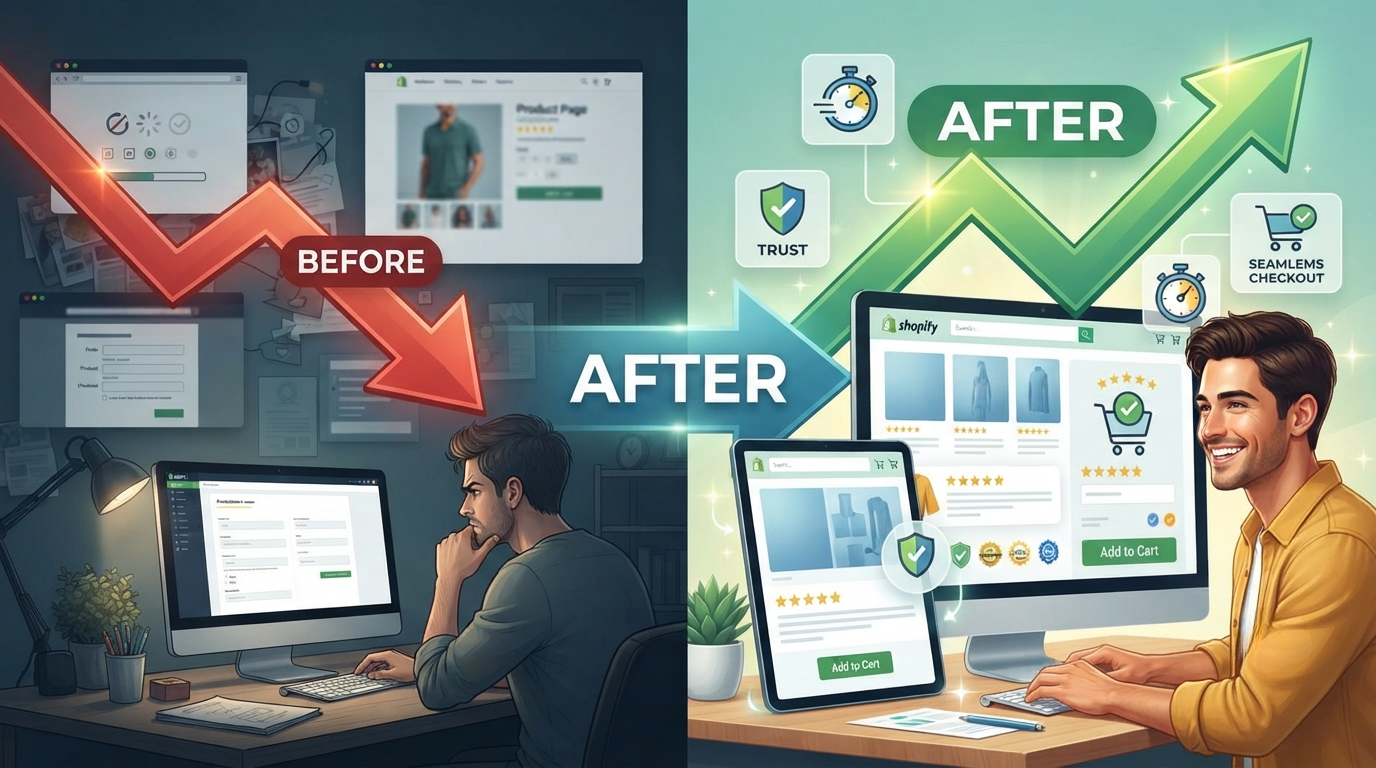
A high bounce rate means many visitors leave your website after viewing only one page without taking action. They may leave because they cannot find what they need, they do not trust the website, or the experience does not encourage them to continue exploring.
Reducing bounce rate is one of the most effective ways to improve website performance, increase conversions, and get more value from your existing traffic.
In this guide, we will look at proven strategies to keep visitors engaged and turn more website visits into meaningful actions.
What Is Website Bounce Rate?
Bounce rate measures the percentage of visitors who leave your website after viewing only one page.
For example, if 1,000 people visit your website and 600 leave without interacting further, your bounce rate is 60%.
A high bounce rate does not always mean something is wrong. Some pages, like blog posts or contact pages, may naturally have higher bounce rates.
However, for landing pages, ecommerce stores, and SaaS websites, a high bounce rate often means visitors are not finding enough reasons to stay.
Why Visitors Leave Websites
Understanding why people leave is the first step toward improving engagement.
1. Slow Website Speed
Visitors expect websites to load quickly. If a page takes too long, many users will leave before they even see your content.
Improve loading speed by:
- Optimizing images
- Removing unnecessary scripts
- Using fast hosting
- Reducing heavy animations
A faster website creates a better first impression.
2. Poor First Impression
Visitors decide within seconds if a website looks trustworthy and professional.
A confusing layout, outdated design, or unclear message can make users leave immediately.
Your homepage should quickly answer:
- What does your business offer?
- Who is it for?
- Why should visitors choose you?
- What action should they take next?
3. Visitors Cannot Find What They Need
People come to websites with a goal.
If visitors have to search too much to find information, they are more likely to leave.
Improve navigation by:
- Using clear menus
- Adding search functionality
- Creating simple page structures
- Highlighting important content
Make it easy for visitors to move forward.
7 Ways to Reduce Website Bounce Rate
1. Create Clear and Valuable Content
Content is one of the biggest reasons visitors stay or leave.
Your website should immediately provide value.
Avoid generic messages and focus on answering your visitors' questions.
Good content should:
- Solve problems
- Explain benefits
- Provide useful information
- Guide visitors toward the next step
When visitors find valuable content, they are more likely to explore further.
2. Improve Your Website User Experience
A good user experience makes visitors feel comfortable.
Focus on:
- Simple design
- Easy navigation
- Mobile optimization
- Readable text
- Clear buttons and calls-to-action
Every part of your website should guide visitors naturally.
3. Add Interactive Elements
Static websites can sometimes feel inactive.
Interactive elements help create a more engaging experience and encourage visitors to stay longer.
Examples include:
- Website notifications
- Product recommendations
- Customer activity updates
- Live chat
- Interactive tools
Small engagement features can make your website feel more dynamic.
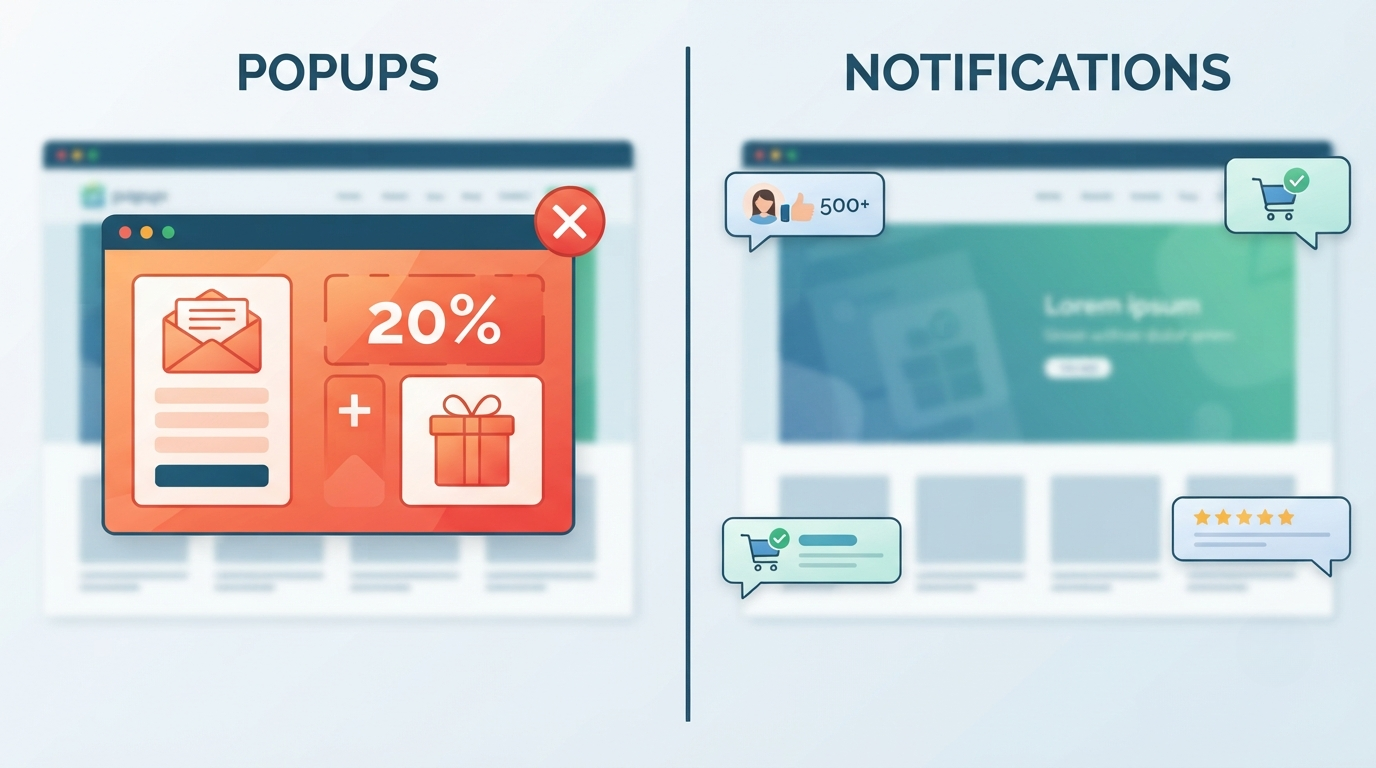
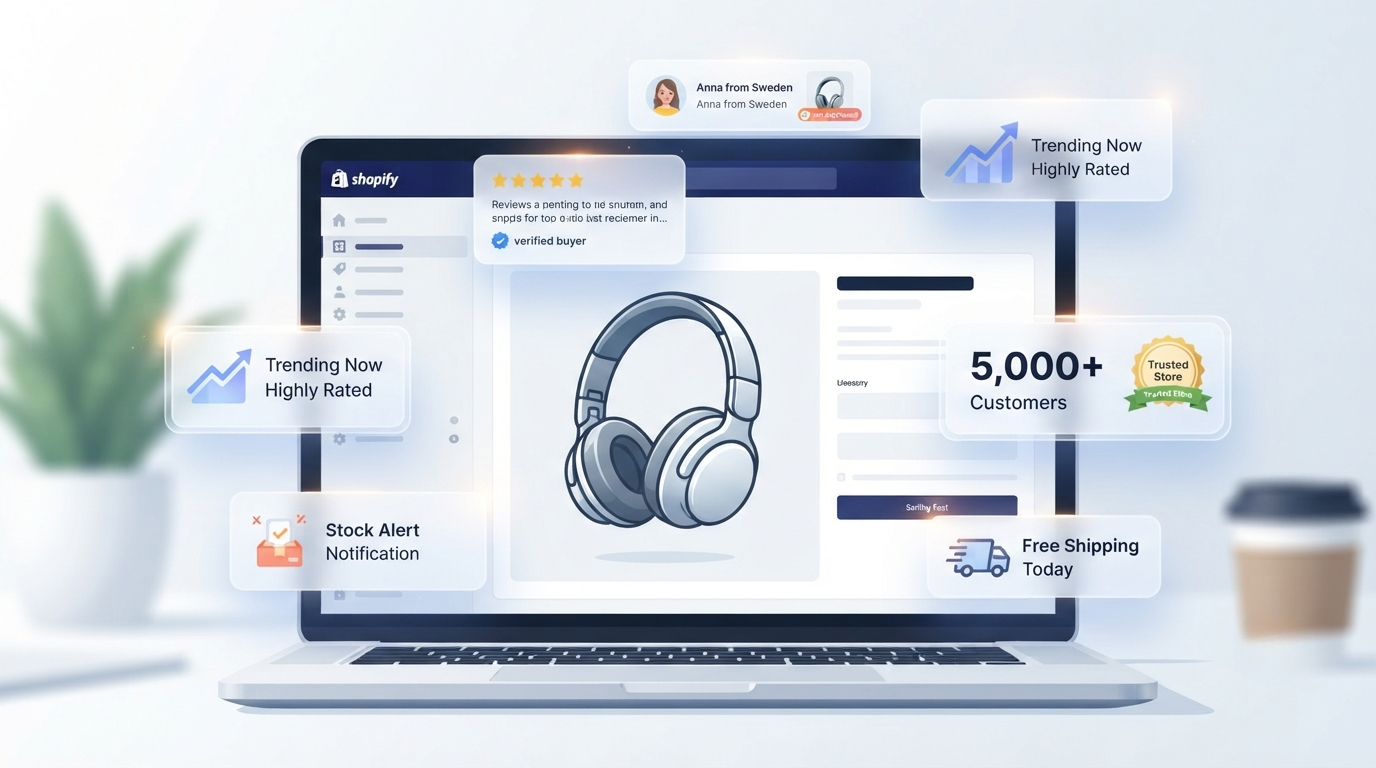
4. Use Website Notifications to Guide Visitors
Website notifications can help capture attention without interrupting the browsing experience.
They can highlight:
- New products
- Recent customer activity
- Special offers
- Important announcements
- Popular content
For example:
"New customers joined today"
or
"20 people are viewing this product"
These small messages can encourage visitors to continue exploring.
With Amplifay, businesses can easily add engaging website notifications designed to improve visitor interaction and increase conversions.
5. Improve Your Calls-to-Action
Many visitors leave because they do not know what to do next.
A strong call-to-action tells visitors the next step.
Examples:
- Start your free trial
- Learn more
- Get started today
- View products
- Join now
Make your buttons visible and explain the value clearly.
6. Build Trust Immediately
Visitors are more likely to stay on websites they trust.
Trust can be increased with:
- Customer reviews
- Testimonials
- Security information
- Clear contact details
- Professional branding
People want confidence before they make a decision.
7. Personalize the Visitor Experience
Different visitors have different needs.
Personalization can improve engagement by showing more relevant content.
Examples:
- Recommended products
- Location-based messages
- Returning visitor offers
- Personalized notifications
A website that feels relevant creates a stronger connection.
How Bounce Rate Affects Your Business
Reducing bounce rate can improve:
More Conversions
Visitors who stay longer have more opportunities to purchase, subscribe, or contact your business.
Better Marketing Results
If your website converts more visitors, your advertising and SEO efforts become more valuable.
Stronger Customer Relationships
An engaging website creates a better experience and increases customer confidence.
Common Mistakes That Increase Bounce Rate
Avoid these common problems:
❌ Too many distractions
❌ Unclear website purpose
❌ Slow loading pages
❌ Too much text without structure
❌ Weak calls-to-action
❌ Poor mobile experience
❌ No trust signals
Small improvements can have a big impact.
Conclusion
Reducing website bounce rate is not about forcing visitors to stay. It is about creating a better experience where visitors find value, trust your brand, and know what to do next.
By improving website speed, creating better content, optimizing user experience, and using engagement tools like website notifications, businesses can keep more visitors interested and increase conversions.
Your website should not just attract visitors. It should give them a reason to stay.