Learn how to increase your website conversion rate without getting more visitors. Discover proven strategies to improve trust, user experience, landing pages, CTAs, and turn more visitors into customers.
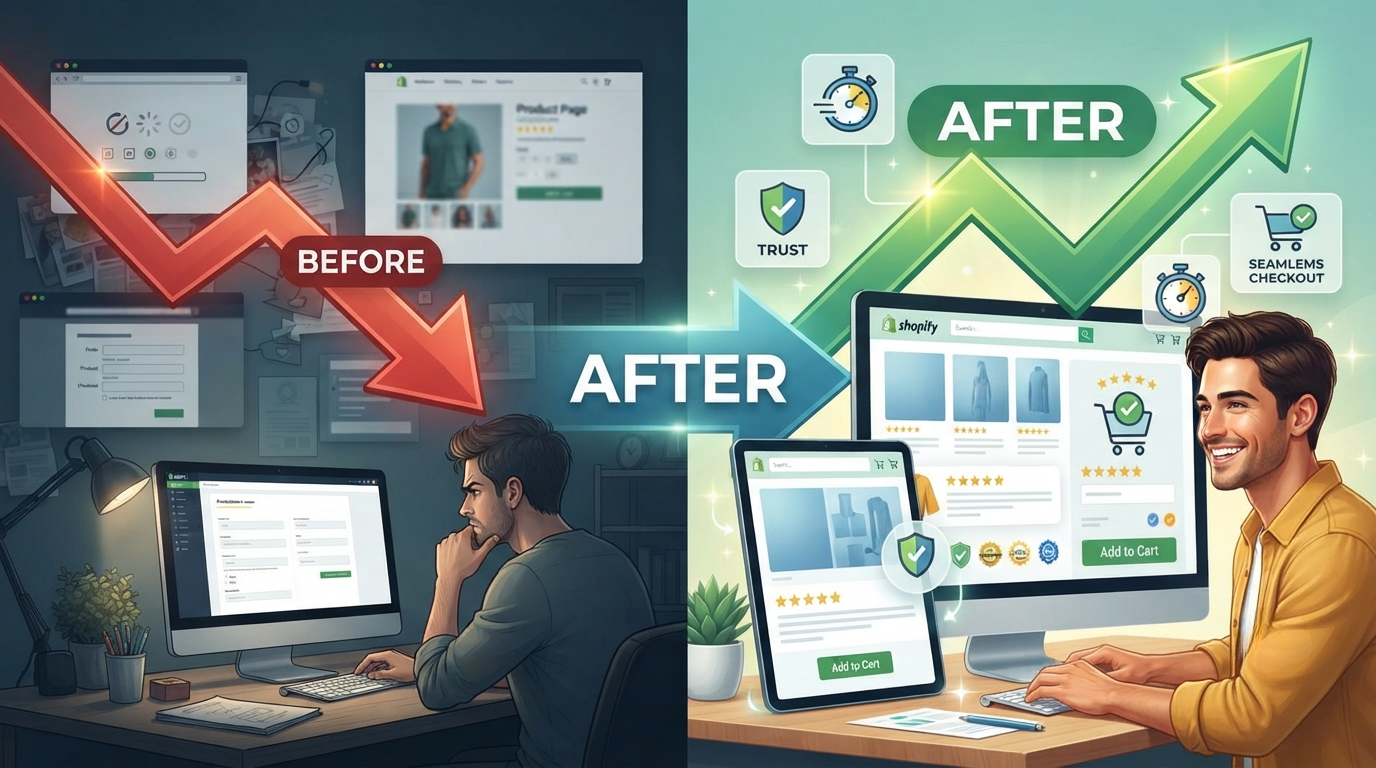
Getting more visitors is often the first goal for businesses, but increasing traffic is not always the fastest way to grow. A website that converts poorly will waste valuable visitors, no matter how many people arrive.
Conversion rate optimization (CRO) focuses on getting more value from your existing traffic by improving the user experience, building trust, and making it easier for visitors to take action.
Here are 10 proven ways to increase your website conversion rate without spending more money on ads or chasing more traffic.
1. Improve Your Website’s First Impression
Visitors decide within seconds whether they trust your website. A confusing layout, slow loading speed, or unclear message can cause people to leave before they understand what you offer.
Your homepage should immediately answer:
- What do you offer?
- Who is it for?
- Why should visitors choose you?
- What should they do next?
A clear headline, strong visual design, and obvious call-to-action can make a significant difference.
Instead of:
"Welcome to our website"
Use something more specific:
"Increase Your Sales With Automated Customer Notifications"
Clarity creates confidence.
2. Make Your Call-to-Action Impossible to Miss
Many websites lose customers because visitors do not know what action to take.
Your CTA should stand out and clearly explain the next step.
Weak examples:
- Submit
- Learn More
- Click Here
Better examples:
- Start Free Trial
- Create Your First Campaign
- Get Started Today
- Increase My Conversions
Place CTAs:
- Above the fold
- Throughout longer pages
- Near important benefits
- After testimonials
3. Add Social Proof to Build Trust
People trust other customers more than they trust marketing messages.
Adding social proof can help visitors feel more confident before making a decision.
Examples:
- Customer reviews
- Testimonials
- User numbers
- Case studies
- Trust badges
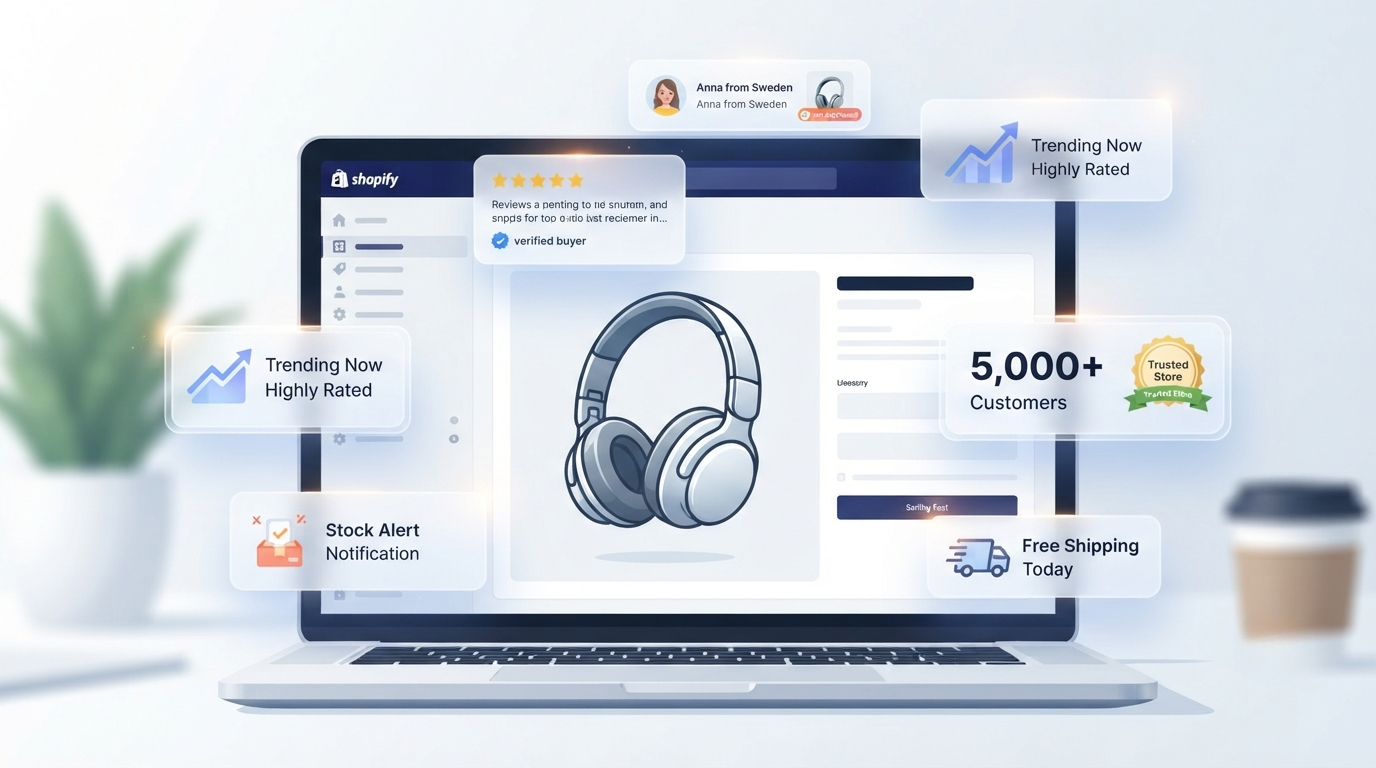
- Recent activity notifications
Showing that other people already use your product reduces uncertainty.
4. Simplify Your Checkout or Signup Process
Every extra step creates another opportunity for visitors to leave.
Review your signup or checkout process:
- Are you asking for unnecessary information?
- Are there too many pages?
- Is the form confusing?
- Are visitors forced to create an account too early?
Try reducing friction by:
- Removing unnecessary fields
- Offering one-click signup options
- Explaining what happens next
A simpler process usually leads to more completed actions.
5. Improve Website Loading Speed
Slow websites create frustrated visitors.
Even a small delay can reduce conversions because users expect pages to load quickly.
Improve speed by:
- Compressing images
- Removing unnecessary plugins
- Using faster hosting
- Optimizing scripts
- Using browser caching
A fast website creates a smoother experience and keeps visitors engaged.
6. Create More Focused Landing Pages
Sending all visitors to the homepage is often a mistake.
A dedicated landing page should match the visitor's intent.
For example:
A visitor searching for "best email marketing tool" should land on a page specifically about email marketing, not a generic homepage.
Good landing pages include:
- One clear goal
- Strong headline
- Benefits
- Social proof
- Simple CTA
The more relevant the page feels, the higher the chance of conversion.
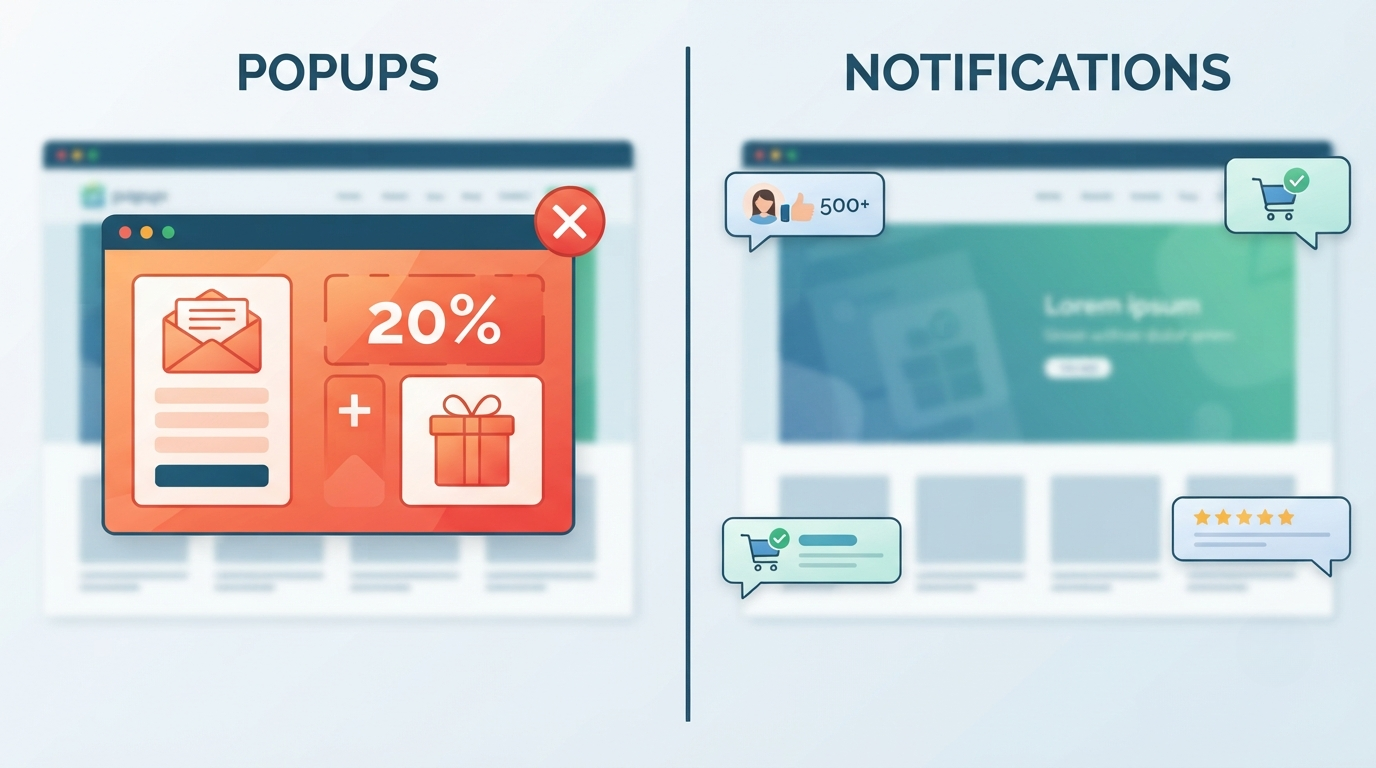
7. Use Website Notifications to Increase Engagement
Visitors often leave websites without taking action because they are not reminded about products, offers, or popular content.
Website notifications can help create engagement by showing:
- Recent purchases
- New signups
- Limited offers
- Popular products
- Customer activity
These small messages create trust and encourage visitors to explore further.
8. Answer Visitor Questions Before They Leave
Many visitors hesitate because they still have unanswered questions.
Add helpful information such as:
- Frequently asked questions
- Pricing explanations
- Shipping details
- Guarantees
- Product comparisons
The goal is to remove doubts before they become reasons to leave.
9. Test Different Versions of Your Website
Small changes can create big improvements.
Test different versions of:
- Headlines
- Button text
- Images
- Page layouts
- Pricing sections
- Testimonials
For example:
Version A:
"Start Your Free Trial"
Version B:
"Create Your Account in 30 Seconds"
Testing helps you understand what motivates your visitors.
10. Build Trust Throughout the Entire Website
Visitors need confidence before they buy or sign up.
Increase trust by adding:
- Professional design
- Clear contact information
- Security information
- Customer reviews
- Transparent pricing
- Real company details
A trustworthy website turns more visitors into customers.
Final Thoughts
Increasing conversion rates is often easier and cheaper than finding more visitors. Before investing in more advertising, make sure your website is converting the traffic you already have.
By improving trust, simplifying user journeys, adding social proof, and creating clearer experiences, you can generate more sales and signups from the same number of visitors.
A website with a strong conversion strategy does not just attract visitors — it turns them into customers.